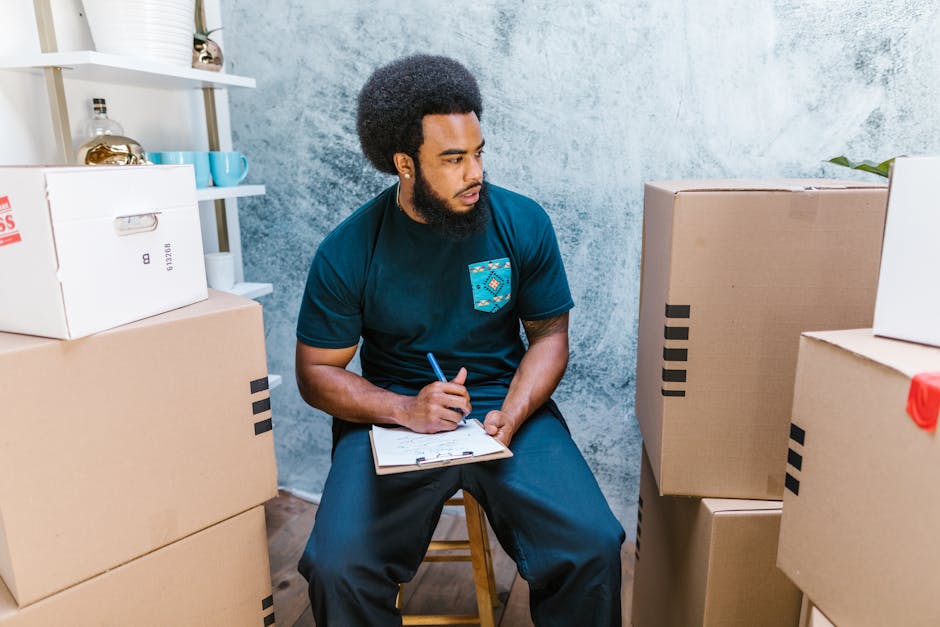
Winstanley Estate moving checklist for Battersea removals

Moving from or into Winstanley Estate can feel like a lot at once: keys, boxes, parking, lift timings, packed cupboards, the lot. If you are trying to keep a Battersea move calm and organised, a clear Winstanley Estate moving checklist for Battersea removals is the difference between a day that runs smoothly and one that turns into a bit of a scramble.
This guide brings together the practical steps that matter most in a London estate move. It covers what to do before moving day, how to plan around flat access and local streets, when storage can help, and which mistakes are easiest to avoid. You will also find a proper checklist, a comparison table, and a few realistic examples from the kind of move people actually make around Battersea.
To be fair, moving is never glamorous. But it can be tidy, controlled, and far less stressful than most people expect.
- Why the checklist matters
- How the moving process works
- Key benefits and practical advantages
- Who this guide is for
- Step-by-step guidance
- Expert tips for a better move
- Common mistakes to avoid
- Tools, resources and recommendations
- Law, compliance and best practice
- Options, methods and comparison
- Case study or real-world example
- Practical checklist
- Conclusion
- Frequently asked questions
Why Winstanley Estate moving checklist for Battersea removals Matters
A move within or near Winstanley Estate has a few features that make planning especially worthwhile. Many homes in Battersea are flats, maisonettes, or properties with shared access points, so loading space, stairwells, lift times, and neighbour consideration all matter. A checklist helps you keep the practical side under control while the emotional side catches up.
It also gives you a simple way to spot risks early. For example, if you realise two weeks before moving day that your sofa will not fit through the hall, you still have time to arrange furniture disassembly or storage rather than discovering it at the front door, which is nobody's idea of fun.
More importantly, a checklist creates order. You can track what is packed, what still needs doing, and what must be confirmed with your removals team. That matters in Battersea, where a small timing issue can snowball into a parking delay or an awkward stair-only carry.
If you are using a local team, services such as local removals or a more flexible man and van option can work well for shorter London moves, especially when access is tight or the volume is modest. For fuller household moves, many people prefer a more structured house removals service.
How Winstanley Estate moving checklist for Battersea removals Works
The checklist works best when you treat it as a timeline rather than a single to-do list. You are not just packing boxes; you are preparing the property, the route, the people, and the day itself.
A useful moving checklist normally breaks into four phases:
- Preparation: sort belongings, book removals, confirm dates, and check access.
- Packing: label, wrap, and box items in a logical order, starting with non-essentials.
- Move day setup: protect floors, reserve space if needed, keep essentials separate, and confirm keys.
- Settle in: unpack the essentials first, check for damage, and update any remaining details.
In real life, the moving process is a bit messy. A kettle might still be plugged in while you are taping up the last box, and someone always asks where the scissors went. That is normal. The aim is not perfection; it is reducing the number of avoidable problems.
For some households, a move also includes temporary storage. If the new place is smaller, not yet ready, or simply too crowded for everything at once, options like removals and storage can make the whole process more manageable. The same is true if you need a short gap between completion dates and move-in dates, which happens more often than people expect.
Key Benefits and Practical Advantages
A good moving checklist does more than stop you forgetting the toaster. It gives you clearer decisions and a calmer moving day.
Here are the main benefits:
- Less last-minute stress: you can see what remains and what is already handled.
- Better packing quality: labels, room grouping, and proper wrapping reduce breakages.
- Faster loading and unloading: movers spend less time figuring out where things go.
- Fewer access problems: you have time to think through parking, stairs, and property entry.
- More control over costs: efficient packing and realistic planning can prevent unnecessary extras.
- Better protection for valuables: documents, jewellery, and electronics stay with you rather than vanishing into a random box.
There is also a quieter benefit: confidence. Once the checklist is in place, you stop guessing. That alone is worth a lot on a busy London moving week.
If you want help with packing itself, a professional packing services option can save time and reduce damage, particularly for awkward kitchens, books, glassware, and framed items. And if the move is lighter, small removals can be a sensible fit without paying for more capacity than you need.
Who This Is For and When It Makes Sense
This checklist is useful for more than just first-time movers. It is particularly relevant if you are:
- moving from a flat in or around Winstanley Estate
- relocating within Battersea or to another part of South West London
- moving from a larger home into a smaller one
- combining a house move with temporary storage
- moving with children, pets, or awkward furniture
- working to a tight completion date
- planning an end-of-tenancy move where timings are fixed
Students, renters, homeowners, and even small business owners can all use the same structure, with a few tweaks. A student might need a streamlined approach and short-term storage, while a family moving from a two-bedroom flat may need more time, more packing materials, and a stronger plan for bulky items.
Office moves are slightly different, of course. If you are relocating a workspace or storing files and equipment, office removals and document storage are often more relevant than domestic moving services. Battersea has plenty of mixed-use households and small businesses, so it is worth choosing the right kind of support from the start.
Step-by-Step Guidance
Below is a practical way to handle the move without overcomplicating it. You can adapt the timeline to suit your completion date or tenancy handover, but the order is what matters.
1. Confirm the move details early
Start with the basics: moving date, keys, access arrangements, property type, and any restrictions. If you are in a flat, check whether there is a lift, where loading can happen, and whether there are any building rules for moving hours. These little details can save a lot of walking and waiting.
2. Decide what is going, what is staying, and what can be stored
Be honest here. Most moves uncover items you have not used in years. Separate belongings into four groups: keep, donate, recycle, and store. If you are between homes or decluttering before a smaller move, self storage or short-term storage can be very handy. For larger or higher-value items, secure storage may feel more reassuring.
3. Book the removals support that fits the job
Not every move needs the same vehicle or crew. A short Battersea move with limited furniture may suit a van-based service, while a full flat relocation may need a more complete removal plan. If you are moving a home, flat removals can be particularly relevant because they are built around stairways, access constraints, and the practical reality of London apartments.
4. Gather packing materials and start with non-essentials
Order enough boxes, tape, wrapping, labels, and markers before you begin. Start with things you will not need until after the move: books, seasonal clothing, spare bedding, decorations, and files. Kitchens take longer than people think. So do cables, chargers, and all those "important bits" that live in the same drawer until suddenly they do not.
5. Label by room and priority
Use a simple system: room name, contents, and urgency. For example, "Kitchen - mugs, plates, kettle - open first". That makes unloading quicker and avoids chaos on arrival. A bright label on the side of each box beats trying to guess what is inside from a scribble on the top flap.
6. Prepare an essentials box
Keep a separate box or bag with items you need on day one: phone charger, toiletries, tea, basic tools, medication, important documents, snacks, a clean change of clothes, and toilet paper. Honestly, the last one matters more than people admit.
7. Protect your property and the route
Move day can be hard on walls, floors, and door frames. Use covers, blankets, and careful carrying. If your building has a shared hallway, let neighbours know in advance where possible and keep access as clear as you can. A little courtesy goes a long way in estate settings.
8. Check everything before you hand over the keys
Do one final walk-through. Check cupboards, under beds, behind doors, and inside bathrooms. Turn off appliances where appropriate, take meter readings if needed, and make sure windows are shut. It is amazing how often something small gets left behind because everybody is busy carrying boxes. One minute you are done, the next you are looking for the spare remote control like it has disappeared into another dimension.
9. Unpack in the right order
Start with the essentials box, then bedrooms and kitchen basics. Leave decorative items for later. A move feels much better when you can make tea, shower, and sleep properly on the first night.
Expert Tips for Better Results
There are a few things experienced movers tend to do that make a noticeable difference. None are complicated, but they do help.
- Take photos of cable setups before disconnecting TVs, routers, and desktop computers.
- Keep screws and fittings together in labelled bags taped to the relevant furniture.
- Pack heavier items in smaller boxes to avoid overloading and torn handles.
- Use wardrobe bags for hanging clothes if you want a quicker unpacking process.
- Wrap fragile items individually and avoid leaving empty space in boxes.
- Write the room name on multiple sides so labels stay visible when boxes are stacked.
- Leave a bit of breathing room in the schedule. A 20-minute delay is normal; a rigid minute-by-minute plan is asking for trouble.
Another tip that sounds small but matters: keep a cleaner or cloth handy for the old property and the new one. Battersea homes, especially flats, can pick up dust very quickly during a move. A quick wipe makes the end of the day feel more settled.
If you have bulky furniture and are not sure it will fit through the doors or up the stairs, it may be worth using furniture storage rather than forcing the issue. It gives you space to think, which is underrated. Quite a lot, actually.
Common Mistakes to Avoid
Most moving headaches come from a handful of predictable mistakes. The good news is they are easy to dodge once you know what to look for.
- Starting packing too late: the final 48 hours then become frantic and messy.
- Mixing essentials with general items: this makes the first night far harder than it needs to be.
- Underestimating access issues: stairs, narrow corridors, and parking restrictions can slow everything down.
- Ignoring storage needs: if you cannot fit everything straight away, the move becomes cluttered very quickly.
- Overfilling boxes: this leads to damage, strain, and boxes that collapse at the worst moment.
- Not measuring furniture: a sofa that looks fine in the lounge can become a problem in the hallway.
- Forgetting admin tasks: redirection, utilities, and address updates are easy to miss in the rush.
People often focus on the truck and forget the small stuff. Yet it is usually the small stuff that causes the delay. The lost keys. The unlabelled box. The lamp that somehow gets packed last and needed first.
If you are clearing out a smaller property or moving a few key pieces rather than a whole household, a service like small removals can be a better fit than booking something oversized. That is one of those choices that looks minor but saves hassle on the day.
Tools, Resources and Recommendations
You do not need a huge kit to move well, but a few simple tools help a lot:
- strong packing tape
- permanent markers or label stickers
- different box sizes
- bubble wrap or paper wrapping
- dust sheets or blankets
- basic tools for furniture disassembly
- zip bags for screws, brackets, and cables
- a notebook or phone note for inventory
If you are moving documents, contract folders, or records, keep them in a separate, clearly marked box that stays with you. Where files need longer-term protection, office storage or business storage can be useful for commercial moves, while document storage is a neat option when paperwork needs to stay secure and organised.
For households with seasonal items, spare furniture, or box loads that will not fit immediately, the choice between household storage, long-term storage, and mobile self storage depends on how long you need the space and how hands-on you want the process to be. There is no single best answer, just the best fit for your situation.
Law, Compliance, Standards, or Best Practice
Moving house in the UK is not heavily regulated in the same way as some other services, but there are still important standards and good practice points worth keeping in mind.
Key things to consider:
- Insurance and handling: check what cover is offered for goods in transit and how fragile or high-value items are handled.
- Health and safety: safe lifting, clear walkways, and sensible loading matter for everyone involved.
- Building rules: some flats or managed buildings have moving windows, lift bookings, or access restrictions.
- Data and documents: personal and business paperwork should be moved and stored carefully.
- Payments and terms: make sure you understand booking conditions, cancellation terms, and any extra charges before you confirm.
It is also wise to look at the company's policies where available. A clear health and safety policy, sensible insurance and safety information, and transparent terms and conditions are all signs that the operator takes the job seriously.
For anyone comparing providers, a straightforward pricing and quotes page is helpful because it sets expectations early. And if you are paying online, you should also be comfortable with the company's payment and security approach. Nothing fancy. Just clear, sensible, trustworthy.
Options, Methods, or Comparison Table
Different move types call for different approaches. Here is a simple comparison to help you decide what suits your Winstanley Estate move best.
| Option | Best for | Strengths | Watch-outs |
|---|---|---|---|
| Full house removals | Larger household moves | More support, better for bulky furniture, less physical effort for you | Usually more planning needed, can be overkill for very small moves |
| Flat removals | Estate and apartment moves | Suited to stairs, lift access, and tighter city settings | Needs accurate access details and timing |
| Man and van | Smaller or shorter moves | Flexible, practical, often quicker to arrange | Less ideal for large loads or multiple heavy items |
| Removals and storage | Moves with gaps or overflow | Helps bridge dates and manage clutter | Requires a bit more coordination |
| Self storage | Decluttering or phased moves | Good for keeping items safe while you settle in | Needs you to manage the loading and access |
The right choice depends on your property size, the amount of furniture, and how much time you have. There is no prize for picking the biggest service. The right-sized solution usually wins.
Case Study or Real-World Example
A typical Battersea scenario might look like this. A couple moves from a two-bedroom flat near Winstanley Estate into a smaller apartment nearby. They want to keep the dining table, sofa, and books, but the spare bedroom furniture will not fit and the new place is not ready for everything on day one.
They start by sorting items three weeks ahead of time. Non-essentials are packed first, storage items are separated, and a removals team is booked for the main furniture and boxes. The oversized bookcase is measured and then, quite sensibly, put into storage rather than squeezed through a narrow hallway on moving day.
On the day itself, the essentials bag stays with them, not in the van. Keys are confirmed, the lift is reserved, and parking is checked before the crew arrives. The move finishes faster than expected because every box is labelled, and the kitchen is unpacked first. There is still a bit of chaos, of course. There always is. But it is the manageable kind, not the panic kind.
What made the difference was not luck. It was the checklist.
Practical Checklist
Use this checklist as your final pre-move guide. It works well for Battersea flat moves, estate relocations, and local household removals.
- Confirm move date, key collection, and access times
- Check parking, loading space, and lift availability
- Measure large furniture and doorways
- Book the right removals service
- Decide what to keep, store, donate, or recycle
- Order boxes, tape, labels, and wrapping materials
- Pack non-essential rooms first
- Label every box by room and priority
- Create an essentials box for day one
- Back up digital files and keep documents separate
- Disassemble furniture where needed and keep fittings together
- Protect floors, walls, and corners during loading
- Take meter readings and photos before leaving
- Do a final sweep of cupboards, loft spaces, and under beds
- Keep keys, mobiles, and chargers to hand
- Unpack the kitchen and bedroom basics first
Practical summary: the best Winstanley Estate move is usually the one where you have already thought through the awkward parts before moving day arrives. Access, packing, storage, and timing all matter. Get those right and the rest tends to behave itself a bit more.
If you want to understand more about the people behind the service, you can also review the company's about us information, or check whether their approach to sustainability and waste aligns with your own by reading about recycling and sustainability.
Get a free quote today and see how much you can save.
Conclusion
A Battersea move does not have to feel overwhelming. With a clear Winstanley Estate moving checklist for Battersea removals, you can handle the practical details early, choose the right support, and keep moving day calm enough to breathe through it. That is the goal, really: less scrambling, more control.
Whether you need a full household move, short-term storage, or just a careful plan for a flat with awkward access, the same principle holds. Prepare well, label clearly, and give yourself a bit of time. You will thank yourself later, probably while making that first cup of tea in the new place.
And if you are comparing options, keep it simple: choose the service that fits your home, your timeline, and your stress level. That little bit of planning goes a long way.
Frequently Asked Questions
What should be on a Winstanley Estate moving checklist for Battersea removals?
Your checklist should cover access, parking, packing, labels, furniture measurements, storage needs, keys, utilities, and an essentials box. Keep it practical and date-based.
How early should I start packing for a Battersea move?
Ideally, start packing non-essentials two to four weeks before moving day. Kitchens, books, seasonal items, and spare bedding are good early candidates.
Is storage useful during a Winstanley Estate move?
Yes, especially if your new home is smaller, not ready yet, or you are moving in stages. Short-term storage and removals and storage are common practical choices.
Do I need a full removals service for a flat move?
Not always. Smaller flats may suit man and van or small removals. Bigger loads or more complex access usually benefit from a fuller service.
What is the best way to label boxes?
Label each box with the room, a short contents note, and whether it is needed first. For example, "Bedroom - bedding - open first". Simple works best.
How do I prepare for moving day in a Battersea flat?
Confirm access, reserve parking if needed, protect floors, keep stairs and hallways clear, and have your essentials separate. Flat moves often go more smoothly when the route is planned in advance.
Should I pack valuables myself?
Yes, that is usually sensible. Passports, jewellery, cash, laptops, and important documents are best kept with you rather than loaded with the general boxes.
What if my furniture will not fit in the new property?
Measure before moving day and decide early whether to disassemble, store, sell, or replace the item. Furniture storage can be a useful bridge if you are not ready to decide immediately.
How can I keep costs under control?
Declutter first, pack efficiently, avoid last-minute changes, and choose the right-sized service. A clear pricing and quotes page is helpful when comparing options.
Are Battersea estate moves different from other London moves?
Often, yes. Shared access, stairs, lifts, parking limits, and busy local roads can all shape the moving plan. That is why a localised checklist helps so much.
What should I do on the first night in the new home?
Unpack the essentials box, set up bedding, find toiletries, and get the kettle working. A quiet first evening, even if a bit messy, makes the whole move feel more settled.
Where can I find more information about the company's approach?
You can review useful pages such as about us, insurance and safety, and terms and conditions to understand how the service is set up.